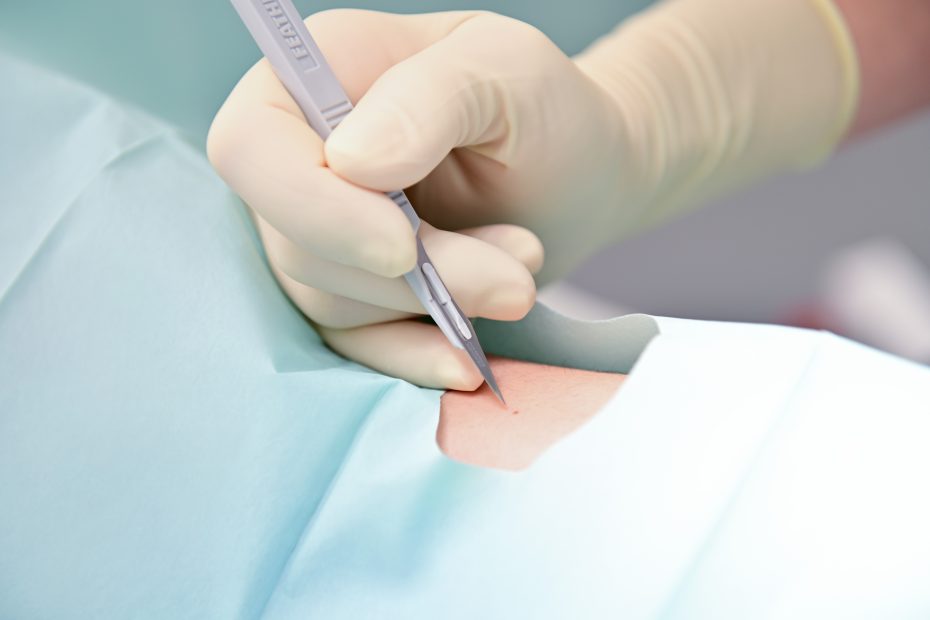
The traditional standard treatment for non-melanoma skin cancer has been surgery, yet patients now seek alternative methods to avoid surgical procedures. The combination of age factors, health conditions, cosmetic issues, and personal choices leads more people to seek non-surgical treatments for basal cell and squamous cell carcinomas.
The most widely used non-surgical treatment methods include:
Topical Treatment – The treatment of skin lesions includes topical creams which contain both prescription drugs, imiquimod and fluorouracil, as well as plant-derived Curaderm BEC5. As a direct skin treatment, the cream works to destroy cancerous cells without harming the surrounding healthy tissue.
Cryotherapy – using liquid nitrogen to freeze cancerous tissue for destruction, Cryotherapy treatment works well for superficial growths, yet results in either lighter or scarred skin.
PDT – The treatment process of photodynamic therapy (PDT) requires patients to receive light-sensitive medication on their skin before undergoing targeted light exposure. The abnormal cells will self-destruct through this process.
Radiation – The medical use of radiation therapy occurs when surgical treatment becomes impossible because of health conditions. The treatment method is non-invasive yet requires multiple sessions, which can cause damage to surrounding tissue.
Curaderm BEC5 – The natural treatment option, Curaderm BEC5, has become more popular for treating small superficial lesions. The topical application of solasodine glycosides extracted from eggplant enables the treatment to penetrate abnormal skin cells without harming healthy cells. Research indicates that Curaderm proves effective in treating numerous non-melanoma skin cancer cases.
You should consult your dermatologist about non-surgical treatment options if you want to avoid surgical procedures and post-operative recovery. The appropriate treatment exists for every lesion type, so you can potentially prevent surgical procedures.