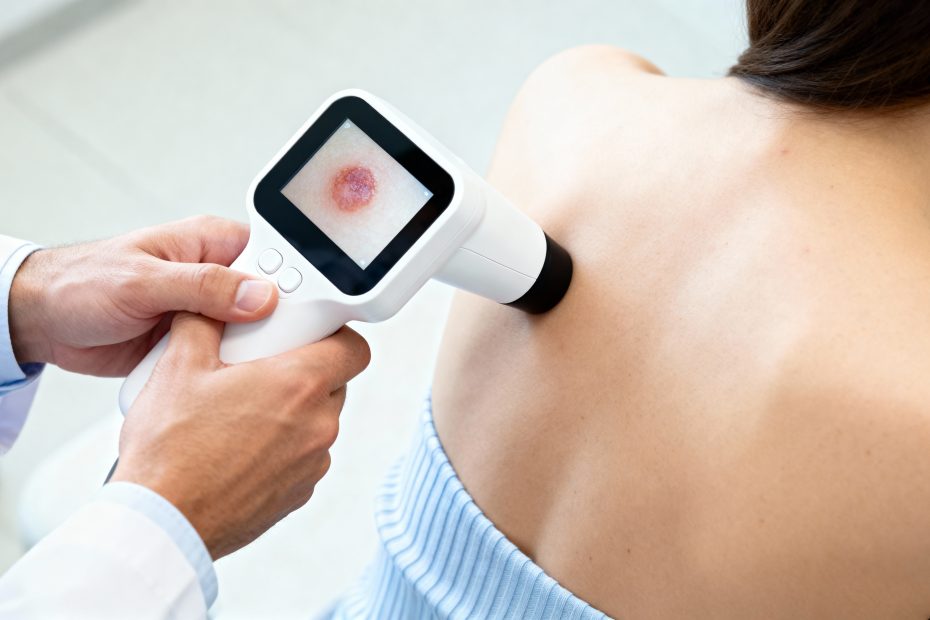
Being diagnosed with facial skin cancer presents both cosmetic and medical challenges and concerns. The end goal of the treatment is to remove the cancer whilst also preserving appearance, movement and skin texture – all without leaving scars behind.
Surgical excision and Mohs surgery are commonly used for facial lesions due to their high cure rates. However, surgery can result in scars, grafts or the need for reconstructive procedures, especially when treating large tumors.
Non-surgical treatments may be appropriate for certain superficial cancers. Topical therapies are often considered when lesions are small, well-defined and limited to the upper layers of the skin. Skin cancer cream options tend to appeal to patients who are seeking less invasive procedures and approaches.
Topical treatments work gradually, targeting abnormal cells while allowing surrounding healthy tissue to regenerate. This process often produces favorable cosmetic results when used correctly. Healing continues for weeks after treatment ends, with progressive improvement in skin texture.
Curaderm is frequently researched by individuals concerned about facial scarring or looking for a less invasive option. Its selective action makes it appealing for visible areas where tissue preservation matters.
Early diagnosis expands treatment choices. Smaller lesions require shorter treatment duration and reduce inflammation, improving the final appearance. Delaying care increases the likelihood of surgical intervention and more noticeable scarring.