
Can Curaderm treat moles, warts, or melanoma?
Curaderm was created to treat non-melanoma skin cancer, but can it be used for mole, warts or melanomas?
Curaderm was created to treat non-melanoma skin cancer, but can it be used for mole, warts or melanomas?

For the mjaority of American customers Curaderm Skin Cancer cream isn’t covered for a number of reasons, but it is a cost effective solution for skin cancer and worth investigating further

When it comes to skincare, especially something as serious as skin cancer treatment, real experiences matter.

Research shows that plant-derived substances protect skin health while demonstrating possible advantages for cancer prevention. Natural ingredients cannot substitute medical care but certain compounds demonstrate ability to fight inflammation and support cell recovery and protect skin from UV radiation. The following ingredients show promise for… Read More »Natural Ingredients That Support Skin Health and Cancer Prevention
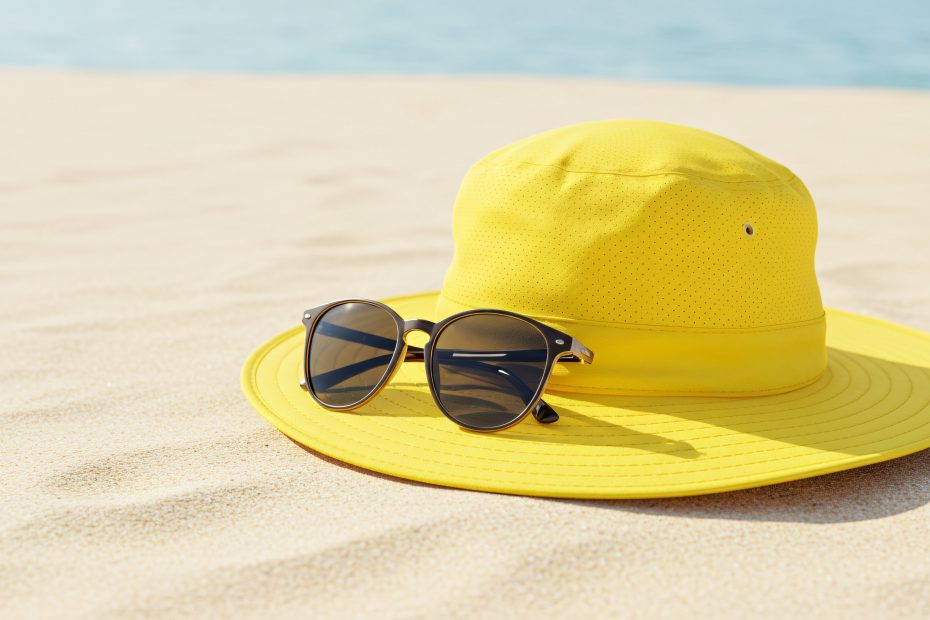
The majority of skin cancer risk factors stem from daily habits although some elements like age and family history cannot be controlled. Basic lifestyle modifications which you practice daily will decrease your chances of developing basal cell carcinoma, squamous cell carcinoma, and actinic keratosis.
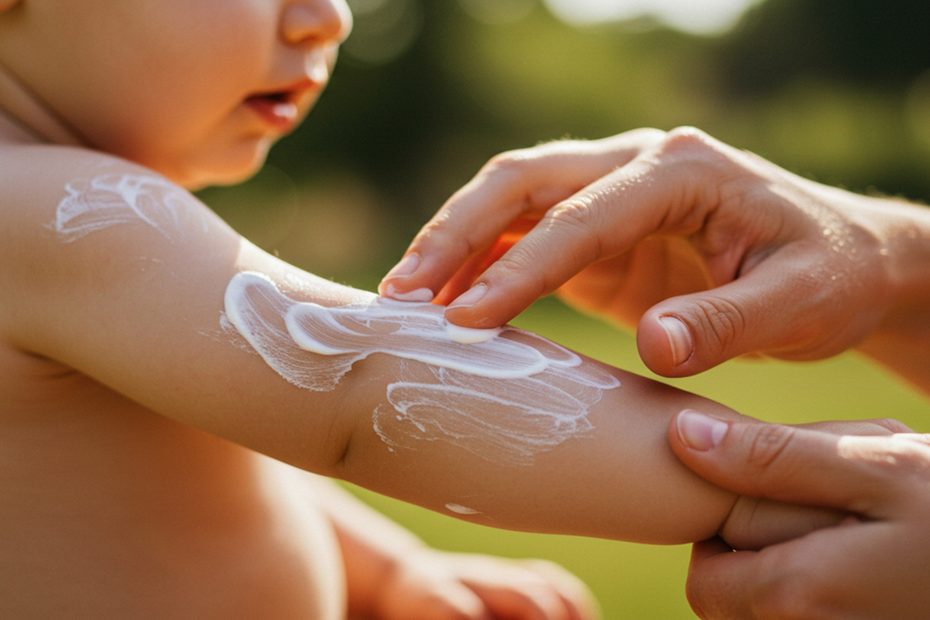
The scientific evidence shows that sun exposure directly leads to skin cancer development, particularly for non-melanoma types, including basal cell carcinoma (BCC) and squamous cell carcinoma (SCC). The DNA in skin cells gets damaged by ultraviolet (UV) radiation, which the sun releases, and this damage… Read More »The Link Between Sun Exposure and Skin Cancer

Most people think sunscreen is only for the summer months, but UV radiation is a year-round concern.
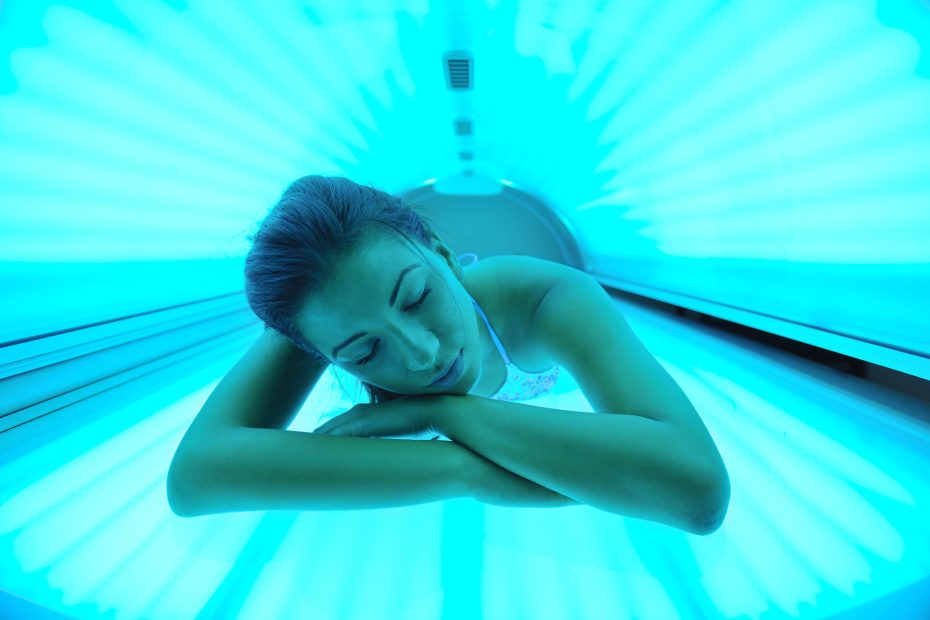
The majority of skin cancer risk factors stem from daily habits, although some elements like age and family history cannot be controlled. Basic lifestyle modifications which you practice daily will decrease your chances of developing basal cell carcinoma, squamous cell carcinoma, and actinic keratosis. The… Read More »Lifestyle Changes to Lower Your Risk of Skin Cancer
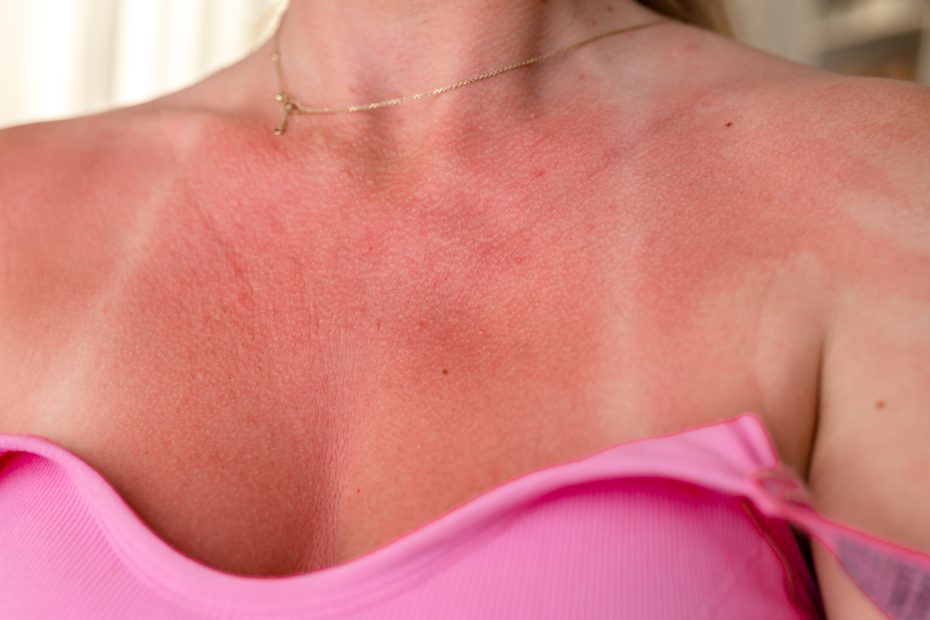
The scientific evidence shows that sun exposure directly leads to skin cancer development, particularly for non-melanoma types, including basal cell carcinoma (BCC) and squamous cell carcinoma (SCC). The DNA in skin cells gets damaged by ultraviolet (UV) radiation, which the sun releases, and this damage… Read More »The Link Between Sun Exposure and Skin Cancer – What You Should Know.
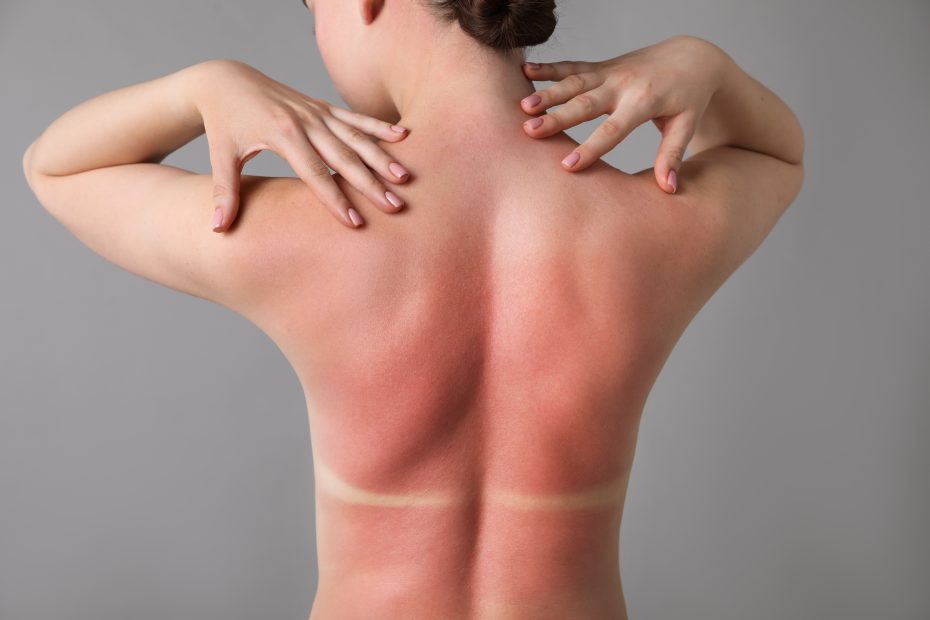
UV damage doesn’t just happen in the summer! Most people think sunscreen is only for the summer months, but UV radiation is a year-round concern. Exposure to UV rays can cause damage to your skin that can lead to skin cancer, such as basal cell… Read More »How to Protect Your Skin from UV Damage Year-Round