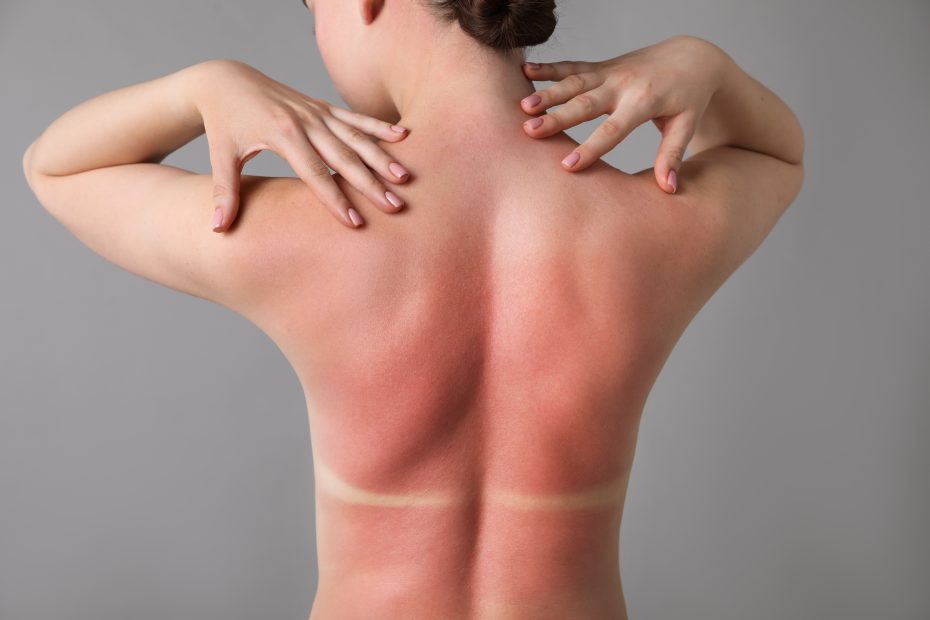
Skin cancer is no longer limited to older adults. Rates of basal cell and squamous cell carcinoma among people under 40 have increased steadily, raising concern among dermatologists and public health experts across the United States.
One of the primary contributors is indoor tanning. Tanning beds expose the skin to concentrated ultraviolet radiation that accelerates DNA damage. Even occasional use during adolescence significantly increases lifetime skin cancer risk. Many younger adults also underestimate the cumulative effects of outdoor sun exposure during childhood and teenage years.
Skin cancer in younger adults often appears on the face, chest, shoulders, and back. Lesions may initially resemble acne scars, persistent red patches, or small sores that fail to heal. Because cancer is not expected at a young age, diagnosis is often delayed.
Earlier detection opens the door to more treatment options. Superficial cancers may be managed with non-invasive therapies rather than surgery. This is particularly appealing for younger patients concerned about scarring in visible areas. Skin cancer cream options are frequently explored when lesions are detected early and have not penetrated deeply.
Curderm is often researched by younger adults looking for alternatives that align with cosmetic concerns and lifestyle flexibility. At-home topical treatment can reduce time off work and avoid surgical recovery for suitable cases.
Regular self-skin checks and professional exams remain essential regardless of age. Noticing changes in moles, persistent sores, or new growths supports early intervention and improves long-term outcomes.