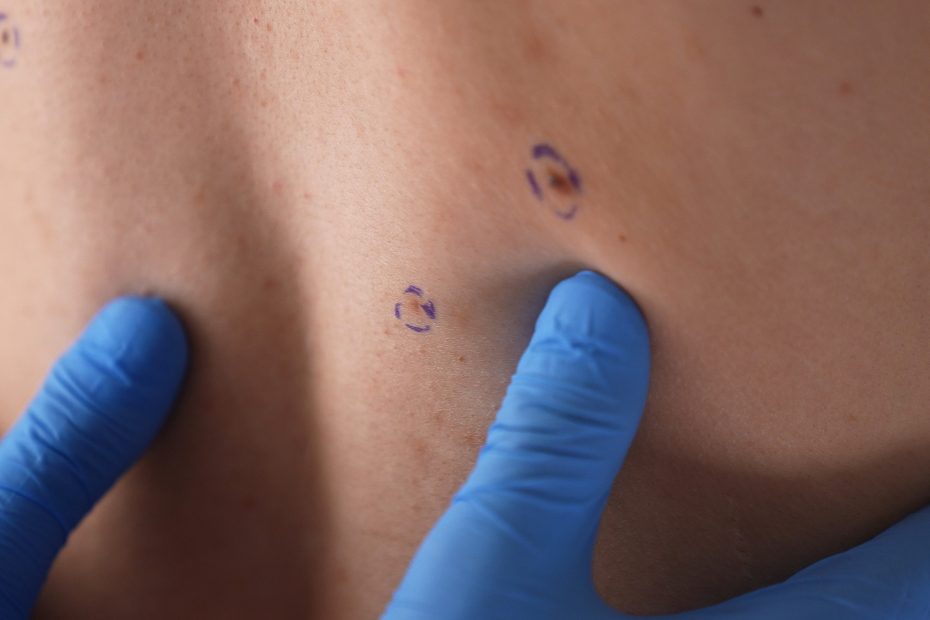
If you are diagnosed with skin cancer, one of the first questions you may ask is, can skin cancer spread?
Many people assume skin cancer is harmless, but some forms can spread if not treated promptly. Understanding metastasis risk helps guide treatment decisions and reinforces the importance of early care.
Basal cell carcinoma rarely spreads to distant organs, but it can grow aggressively into nearby tissue. Advanced basal cell cancers may invade nerves, cartilage, and bone, particularly on the face or scalp. This local destruction can lead to significant functional and cosmetic damage.
Squamous cell carcinoma carries a higher risk of metastasis. Tumors that are large, thick, recurrent, or located on the ears, lips, or scalp are more likely to spread. Individuals with weakened immune systems face increased risk.
Signs of aggressive behavior include rapid growth, ulceration, persistent pain, numbness, or firm swelling in nearby lymph nodes. These symptoms require immediate medical attention.
Early treatment dramatically reduces spread risk. When cancers are identified at a superficial stage, topical treatments may be considered. Skin cancer cream therapies are typically limited to early lesions that have not invaded deeper tissue layers.
Curderm is often evaluated by patients seeking targeted treatment that focuses on abnormal cells while preserving healthy skin. Selecting appropriate therapy depends on accurate diagnosis and staging.
Delaying treatment increases the chance of spread and limits non-surgical options. Addressing lesions early remains the most effective way to reduce long-term risk.
Image credit: Adobe Stock/kinomaster/1930349024